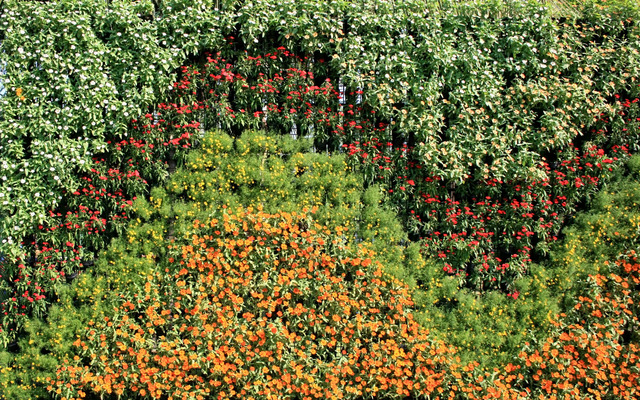
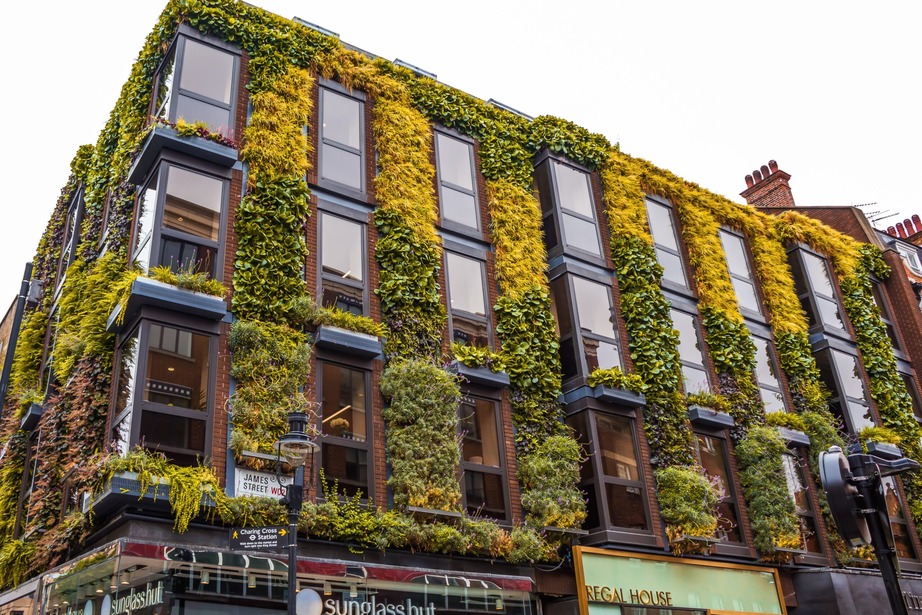
Urban architecture is the art and science of designing and constructing buildings and other physical structures within densely populated and highly developed urban areas. It involves a wide range of building types, including residential, commercial, institutional, and public structures, and requires consideration of unique challenges presented by cities, such as limited space, complex transportation systems, and diverse populations.
However, urban architecture is not just about the functional needs of a building. It also takes into account its impact on the surrounding environment, including its aesthetic, social and environmental effects. This involves integrating buildings into the larger urban fabric, including streetscapes, parks, and other public spaces, in a way that enhances the overall livability and sustainability of the city.
Urban architecture is a dynamic field that requires innovative design strategies and technologies to address specific urban challenges. For example, architects may focus on sustainability, energy efficiency, and resilience to natural disasters. They may also be involved in the renovation and adaptive reuse of existing buildings and infrastructure to meet the changing needs of urban populations.
By embracing innovative design strategies and technologies and working closely with other urban professionals, architects can help create sustainable, livable, and resilient cities for future generations, hence vertical gardens. Urban vertical gardens offer a unique opportunity to create sustainable, livable environments that integrate nature into urban spaces.
A vertical garden, also known as a living wall or a green wall, is a unique and space-efficient way to incorporate greenery into indoor and outdoor environments. Vertical gardens are created by arranging plants on a wall, often using modular panels or other support structures, and directing them to grow upwards rather than outwards.
Vertical gardens are gaining popularity in urban environments where space is limited, and people are looking for ways to incorporate nature into their living spaces. They are also used in commercial settings, such as office buildings or shopping centers, as they can improve indoor air quality, reduce noise levels and provide a pleasant environment.
Several types of plants work well for vertical gardens, as well as flowers, vegetables and herbs. Depending on the chosen plant types, vertical gardens can provide additional benefits beyond just aesthetic appeal. For example, certain plants, such as ferns and mosses, can help purify the air and reduce humidity, making them perfect for use in humid or poorly ventilated spaces.
Vertical gardens can be created using a variety of techniques, including hydroponics, aeroponics, and soil-based systems. These systems can be irrigated manually or automatically, requiring careful planning and maintenance to ensure the plants thrive in their vertical environment. The cost and difficulty of installation and maintenance will vary depending on the chosen system and the size of the vertical garden.
The first part of this article will be highlighting the functionality of vertical green walls in urban spaces and the design, construction, and maintenance of these gardens. Finally, a look into different available systems for vertical gardening. By carefully considering these aspects professionals can create beautiful and sustainable urban spaces that integrate the beauty and benefits of nature.
FUNCTIONALITY
Vertical gardens have a range of positive effects on the environment, health, and aesthetics of urban spaces. However, there are also some potential negative impacts to consider when using them within urban architecture.
Positive Effects
Vertical gardens offer many benefits to urban spaces:
Environmental benefits: Vertical gardens can help to improve air quality by filtering out pollutants and absorbing carbon dioxide. They can also reduce the urban heat island effect, which causes cities to experience higher temperatures than surrounding areas.
Aesthetic benefits: Vertical gardens can enhance the visual appeal of buildings and urban spaces by adding color, texture, and natural elements. They can also create a sense of calmness in otherwise noisy urban environments.
Health benefits: Exposure to nature has been shown to have positive effects on mental health and well-being. Vertical gardens can provide a source of natural beauty and improve the quality of life for people who live or work in urban areas.
Economic benefits: Vertical gardens can help to increase property values and attract tenants or customers to businesses that incorporate them into their design.
Structural benefits: Vertical gardens can provide insulation for buildings, reducing energy costs for heating and cooling. They can also protect building surfaces from damage caused by exposure to the elements, such as sun, wind and rain.
Biodiversity benefits: Vertical gardens can promote biodiversity in urban environments by providing habitat for birds, insects and other small animals that may be displaced by urban development. They can also help to mitigate stormwater runoff by absorbing rainwater and reducing the amount of runoff that enters the sewer system, which can help to prevent flooding and improve water quality in urban waterways.
Negative Effects
While vertical gardens have many potential benefits for urban architecture, it is important to consider their potential negative impacts and address them in the design and implementation process:
Cost: Vertical gardens can be expensive to install and maintain, especially for large-scale projects. This can make them prohibitive for some property owners or developers, particularly in low-income or economically disadvantaged areas.
Maintenance: Vertical gardens require regular maintenance, including watering, fertilizing and pruning, which can be time-consuming and labor-intensive. If not properly maintained, they can become overgrown, attract pests or die off, which can detract from their aesthetic and environmental benefits.
Structural concerns: The weight of soil, plants and irrigation systems can place a significant load on the structural integrity of buildings, especially older or historic structures. This can lead to damage or collapse, especially in areas with seismic activity or extreme weather conditions.
Water usage: Vertical gardens require a significant amount of water to maintain, which can be a concern in areas with limited water resources or where water is expensive. Additionally, if not properly designed and maintained, vertical gardens can contribute to water runoff and drainage problems, which can lead to erosion and other environmental impacts.
Biodiversity concerns: Some types of vertical gardens may not provide suitable habitats for native plant and animal species, which can impact local ecosystems and biodiversity.
Aesthetic concerns: While vertical gardens can be visually appealing, some people may find them to be too “artificial” or “manufactured” looking, especially if they are not designed to integrate well with their surroundings.
Vertical gardens offer many potential benefits for urban spaces, but it is important to carefully consider their potential negative impacts and address them in the design and implementation process. By doing so, it is possible to create beautiful, sustainable, and biodiverse urban environments that benefit both people and the planet.
DESIGN & CONSTRUCTION, MAINTENANCE
Urban vertical gardens offer a unique opportunity for architects and designers to create sustainable, livable environments that integrate nature into urban spaces. To successfully incorporate vertical gardens into their projects, it is important to consider the following considerations:
Technical Considerations
Structural support: Vertical gardens can be heavy, especially when fully grown, so it should be ensured that the structure can support the weight of the plants, growing media and water. The load-bearing capacity of the building facade or structure must be considered and the garden should be designed appropriately. Some systems allow for lightweight materials like PVC pipes and fabric pots that can help reduce the weight of vertical gardens and make them easier to install and maintain. Vertical gardens can be attached to walls or freestanding, and the structure should be designed accordingly.
Climate control: Depending on the climate and location, it may be necessary to provide climate control measures for the vertical garden. Fans or ventilation systems can be installed to regulate temperature and humidity, especially in indoor environments. Proper ventilation is essential for preventing mold and mildew growth – even in vertical gardens.
Water supply: Drip irrigation systems are commonly used in vertical gardens, as they allow for precise watering and minimize water waste. But it is essential to ensure that the vertical garden has a reliable water supply and is designed with proper irrigation to ensure that water reaches all parts of the vertical garden. Depending on the size of the project, a water pump and reservoir may be necessary to ensure adequate water flow and storage. However, the system should not damage the building structure.
Growing media: The choice of growing media is important in vertical gardens, as it affects the ability of plants to take up water and nutrients. Consider using coco coir, perlite, vermiculite, or peat moss – all of which are directly related to the planting system selected: ie soil-based, hydroponics or aeroponics.
Lighting: Adequate natural lighting is essential for promoting plant growth in vertical gardens. If the garden is indoors, consider a location with good natural light or install energy-efficient LED grow lights that provide the specific wavelengths of light that plants need for photosynthesis. Full-spectrum LED grow lights with a high Photosynthetically Active Radiation (PAR) output are the most effective for promoting plant growth in vertical gardens.
Durability & Longevity
Use quality materials: When setting up a vertical garden, it’s important to use high-quality materials that will last over time. This includes growing media, irrigation systems and structural support. Using high-quality materials can help reduce maintenance costs
Location and Maintenance: Choose the right location. Consider factors like natural light, temperature and humidity when selecting a spot for the vertical garden. For example, south-facing walls receive the most natural light and are ideal for vertical gardens.
Maintenance plan: Regular maintenance is essential to keep the vertical garden healthy and productive. Regular pruning can help maintain plant health and prevent overgrowth in vertical gardens. Plan for tasks like watering, fertilizing, pruning and pest control.
Aesthetical Considerations
Plant Selection: Urban vertical gardens should be visually appealing and harmonious with the surrounding environment. Consider the color, texture and form of the plants, as well as the placement and arrangement of the garden. The vertical garden can be enriched by using a mix of edible and ornamental plants to create a dynamic and functional space. Choose plants that are well-suited to vertical growing, such as those with shallow root systems and compact growth habits.
By carefully considering these design considerations you can create beautiful and sustainable urban spaces that integrate the beauty and benefits of nature. These gardens not only provide visual interest but can also improve air quality, reduce the urban heat island effect, and provide food and green space in densely populated areas. By incorporating these design elements, you can create thriving, sustainable urban environments that benefit both people and the planet.
VERTICAL GARDENING SYSTEMS
Soil-Based Systems
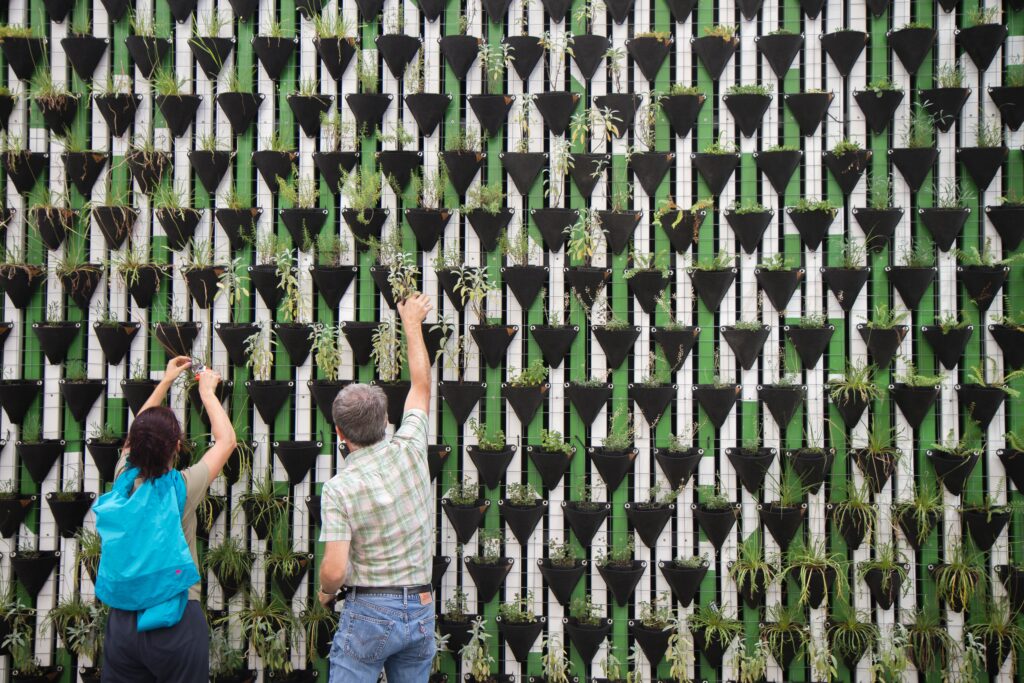
Vertical green walls are a popular way to bring greenery into urban spaces, but there are various methods for growing plants on these structures. One option is soil-based systems, which involve growing plants directly in soil or other growing media instead of using a nutrient-rich water solution like in hydroponic systems.
Soil-based systems offer many advantages, including flexibility in terms of soil types. Different plants have different needs and the type of soil used can vary depending on those needs. For example, some plants thrive in well-draining sandy soils, while others prefer nutrient-rich loamy soils. Soil-based systems also allow to adjust the pH of the soil to suit the needs of the plants being grown.
In addition, nutrient delivery in soil-based systems comes from the soil itself, which contains a complex mix of organic and inorganic materials. The nutrient content of the soil can be improved by adding organic matter such as compost, manure, or leaf litter. This approach can also help to improve soil fertility and reduce erosion.
Watering is another crucial aspect of soil-based systems. Plants are typically watered using irrigation methods such as drip irrigation, sprinklers or even hand watering. The frequency and amount of watering will depend on factors such as the type of soil, the climate and the water requirements of the plants being grown.
However, soil-based systems can also present challenges. They are susceptible to a variety of pests and diseases, including fungi, bacteria, and insects. The use of chemical treatments, as well as good hygiene and sanitation practices to prevent the spread of pathogens.
To prevent soil compaction, techniques such as mulching, adding organic matter to the soil and using raised beds to avoid walking on the soil are used. Crop rotation is also an effective way to prevent soil-borne diseases and pests from building up in the soil.
Soil testing is essential in soil-based systems to ensure that the soil has the appropriate nutrient levels and pH for the plants being grown. Regular soil testing can help determine the need to add soil amendments, such as lime or fertilizer, to improve soil fertility.
Sustainability is a crucial consideration in soil-based systems. Sustainable soil management practices can include reducing tillage, using cover crops, and reducing the use of chemical fertilizers and pesticides. Soil-based systems can help to sequester carbon and provide a habitat for beneficial organisms. However, they can also contribute to soil erosion and nutrient runoff if not managed properly.
In conclusion, soil-based systems are a popular and effective method of growing plants for vertical green walls. By providing flexibility in terms of soil types and allowing for natural nutrient delivery, they offer several advantages. However, careful management and maintenance are required to prevent pest and disease issues, soil compaction and nutrient runoff. It is necessary to prioritize sustainable soil management practices to ensure that the soil-based systems are environmentally friendly and beneficial for both plants and people.
HYDROPONICS
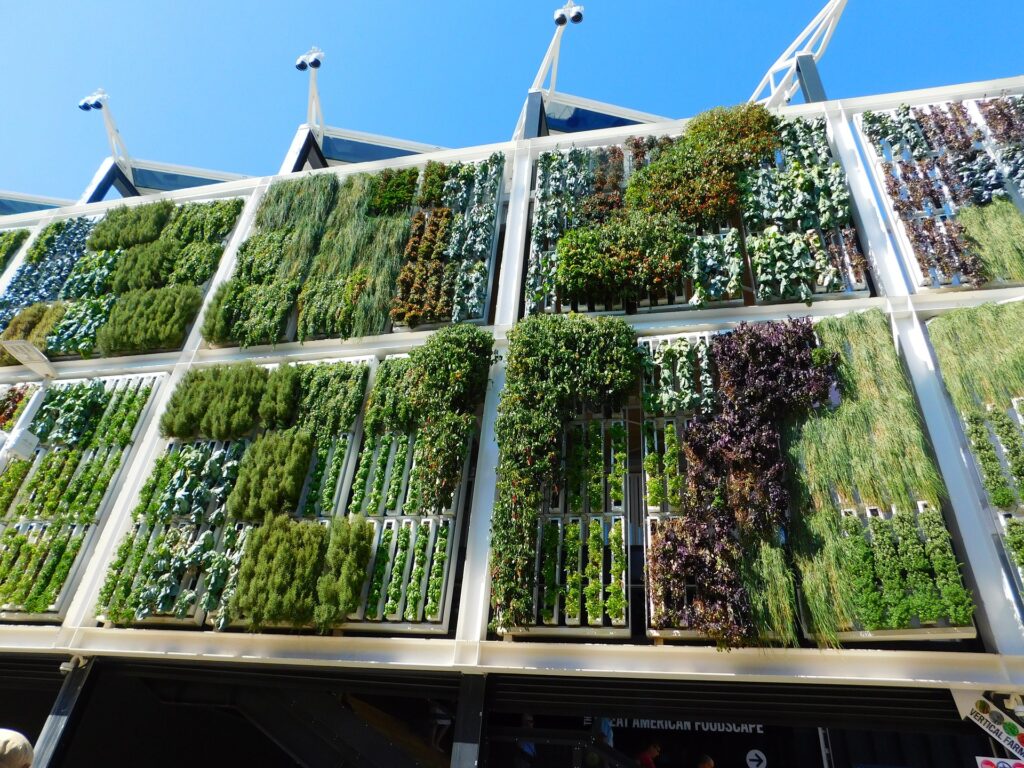
Hydroponics is a soil-less method of growing plants by suspending the roots in a nutrient-rich water solution. Compared to traditional soil-based gardening, hydroponics offers faster and more efficient growth of the plants since the water solution contains all the necessary minerals and nutrients they need, allowing also for year-round plant growth in much smaller growing spaces. Additionally, hydroponics is more water-efficient as the nutrient solution can be recycled and reused, reducing water waste.
Hydroponics systems come in various types, each with its advantages and disadvantages. These include deep water culture, nutrient film technique, drip irrigation, ebb and flow, wick and aeroponics. For instance, wick systems use a wick to transfer nutrients from a reservoir to the plant roots, while aeroponics delivers nutrients through mist or fog.
However, the success of a hydroponic system depends on careful management of nutrient solutions, pH levels, lighting, and pest and disease control. Nutrient solutions must contain the correct levels of nutrients, including calcium nitrate and potassium phosphate, and be carefully monitored and adjusted to meet the needs of the plants. Maintaining proper pH levels between 5.5 and 6.5 is crucial for optimal growth, as pH levels that are too high or low can cause nutrient deficiencies or toxicities, leading to stunted growth and other issues.
Supplemental lighting is often necessary for indoor or low-light growing environments. Grow lights provide the ideal light spectrum for plant growth, and the timing and intensity of the light can be adjusted to meet the needs of the plants. However, this also leads to increased energy consumption, which is an important factor to consider in terms of sustainability.
Pest and disease management is also critical in hydroponics. Despite the controlled environment, hydroponic systems are still susceptible to pests and diseases. Preventive measures to manage infestations include using insecticides, fungicides, or other treatments, and maintaining proper hygiene and sanitation practices to prevent pathogen spread.
In summary, hydroponics is an innovative technique that offers many advantages. It minimizes environmental impacts by reducing water usage and the need for chemical inputs and on a higher level -beyond the subject of this article- even has the potential to address food security issues. Hydroponics is a promising technique with numerous benefits, but it requires careful management and consideration of potential limitations to be successful. It is important to critically analyze its energy consumption and potential limitations.
AEROPONICS
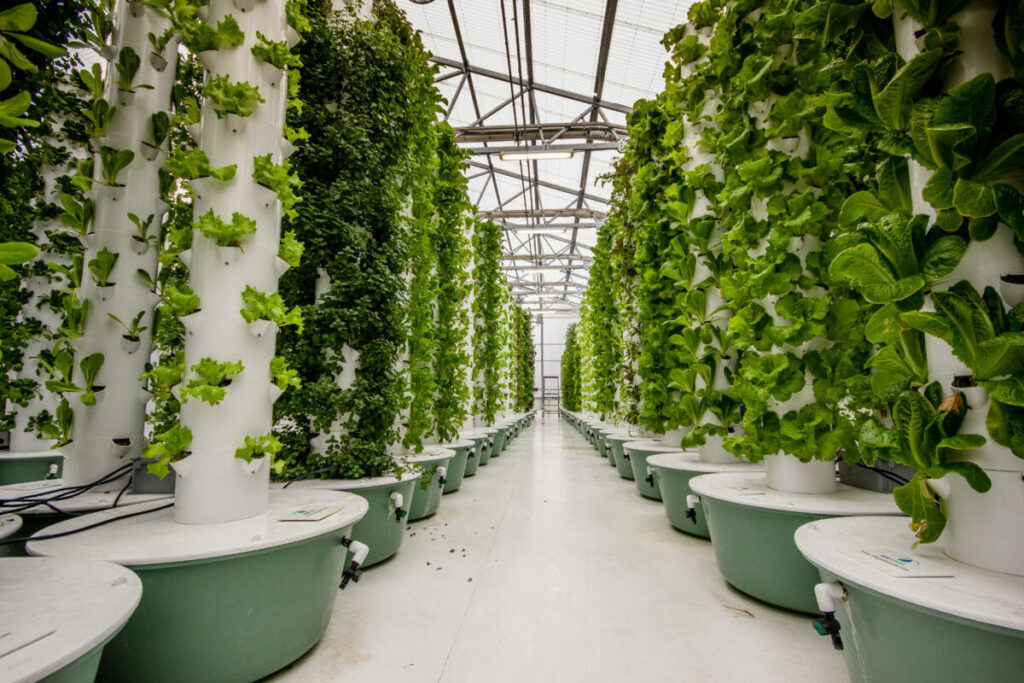
The listing would be incomplete if we would not touch also on the aeroponics system. Important to note that aeroponics is mainly a prominent vegetable-growing system. But including vertical gardening of vegetables is becoming an important design feature added to the interior design in commercial setups, residential buildings and schools.
Aeroponics is a type of hydroponic system that uses a mist or fog to deliver nutrients and water to the plant roots instead of submerging them in water. This unique growing method offers several advantages over traditional soil-based gardening and other hydroponic systems, but it also presents some challenges.
One of the key advantages of aeroponics is its high water efficiency. The misting system uses significantly less water than soil-based gardening, and the water can be recirculated and reused, reducing waste. This makes aeroponics an eco-friendly option to conserve resources while growing healthy, vibrant plants. Aeroponic systems can also provide higher yields and faster plant growth compared to traditional gardening methods. This is because the mist allows the plants to absorb the nutrients and water they need more efficiently, and the system can be designed to provide the plants with the exact amount of nutrients and water they need.
Another advantage of aeroponics is its ability to provide plants with an increased oxygen supply. In aeroponics, plant roots are suspended in the air and exposed to more oxygen than they would be in soil or other hydroponic systems. This helps to promote healthier root growth and leads to faster and more robust plant growth.
Aeroponic systems can also reduce the risk of disease and pests. Since the plants in an aeroponic system are not in contact with soil, there is a reduced risk of soil-borne diseases and pests. This can reduce the need for pesticides and other chemical treatments, making it a healthier and safer option for growing crops.
Moreover, aeroponic systems require less maintenance than other hydroponic systems, as they don’t need to be flushed as frequently, and there is no need to clean soil or other growing media. Furthermore, the precise delivery of nutrients and water in an aeroponic system can result in crops with higher nutrient content, leading to better-tasting, more nutritious crops.
However, it’s important to note that aeroponics can be more challenging to set up and maintain than other hydroponic systems. The mist must be distributed evenly and the roots are not to be exposed to light, which can cause damage. Power outages or equipment failures can also be more problematic in aeroponic systems than in other hydroponic systems, as the roots are exposed to the air and can dry out quickly without the misting system. Additionally, the initial cost of setting up an aeroponic system can be higher than traditional soil-based gardening or other hydroponic systems.
When choosing plants or crops for an aeroponic system, it’s important to consider the specific requirements of each. While a wide variety of plants can be grown using aeroponics, some plants may be better suited than others. For example, leafy greens and herbs are generally well-suited to aeroponic systems, while plants with large root systems may require more space than an aeroponic system can provide.
In summary, aeroponics is an innovative and efficient growing method that offers several advantages over traditional gardening methods and other hydroponic systems. However, it’s important to carefully consider the potential challenges associated with aeroponics before deciding to use this growing method. With the right care and attention, however, aeroponics can provide healthy, thriving plants that are both eco-friendly and highly productive.
CONCLUSION
Vertical gardens offer a sustainable solution to bring greenery and nature into urban architecture. They provide a range of benefits, from space optimization to improved air quality and energy efficiency. With the various types of vertical garden solutions available, it’s possible to create a green wall for any space, from a small balcony to a large commercial building. As our cities continue to grow and expand every effort counts towards a healthier and more vibrant urban landscape. It is crucial to prioritize sustainable and green solutions, and vertical gardens are a step in the right direction. Let’s work together to bring the beauty of nature back into our cities and make our environment a priority for future generations.