
KEY TAKEAWAYS
Walking and cycling are eco-friendly modes of transportation that can help reduce air pollution and traffic congestion.
Benches are important features of street furniture that can encourage people to walk and cycle more.
Urban planners should consider integrating benches into their designs to make walking and cycling more comfortable and accessible.
Part 1: Enhancing Urban Environments
In recent years, the integration of walking and cycling paths has become a cornerstone of sustainable and people-centric city planning. These pathways not only promote healthier lifestyles but also contribute to reduced traffic congestion and environmental benefits.
The Importance of Urban Integration
There are several reasons why urban integration is important:
1. Community Connectivity
Enhancing walkability and cycling routes fosters stronger community bonds. The intricate network of paths allows pedestrians and cyclists to seamlessly connect with local businesses, public spaces, and each other.
2. Health and Well-being
The encouragement of physical activity through integrated paths contributes to a healthier population. As people embrace walking and cycling as viable modes of transport, the reduced reliance on automobiles leads to cleaner air and improved overall well-being.
3. Environmental Sustainability
The incorporation of green spaces along walking and cycling paths enhances the overall ecological sustainability of urban areas. Planting trees and integrating natural elements not only provides shade but also contributes to carbon sequestration, mitigating the impact of urban development on the environment.
The Role of Street Furniture
While the integration of paths is essential, the role of street furniture, particularly benches, should not be overlooked. Benches serve as more than just places to sit; they play a crucial role in enhancing the overall urban experience.
The Importance of Benches

Resting Spots
Benches provide necessary resting spots for pedestrians and cyclists, encouraging more people to use these paths regularly. Incorporating well-placed benches ensures that individuals can take a break, promoting a more inclusive and accessible urban environment.
Community Interaction
Benches serve as communal gathering points, fostering social interaction and a sense of community. The strategic placement of benches encourages people to linger, creating vibrant public spaces.

Part 2: Best Materials for Building Benches
When it comes to building street furniture, including benches, there are several materials to choose from. Here are some of the most popular materials and their benefits:
Wood
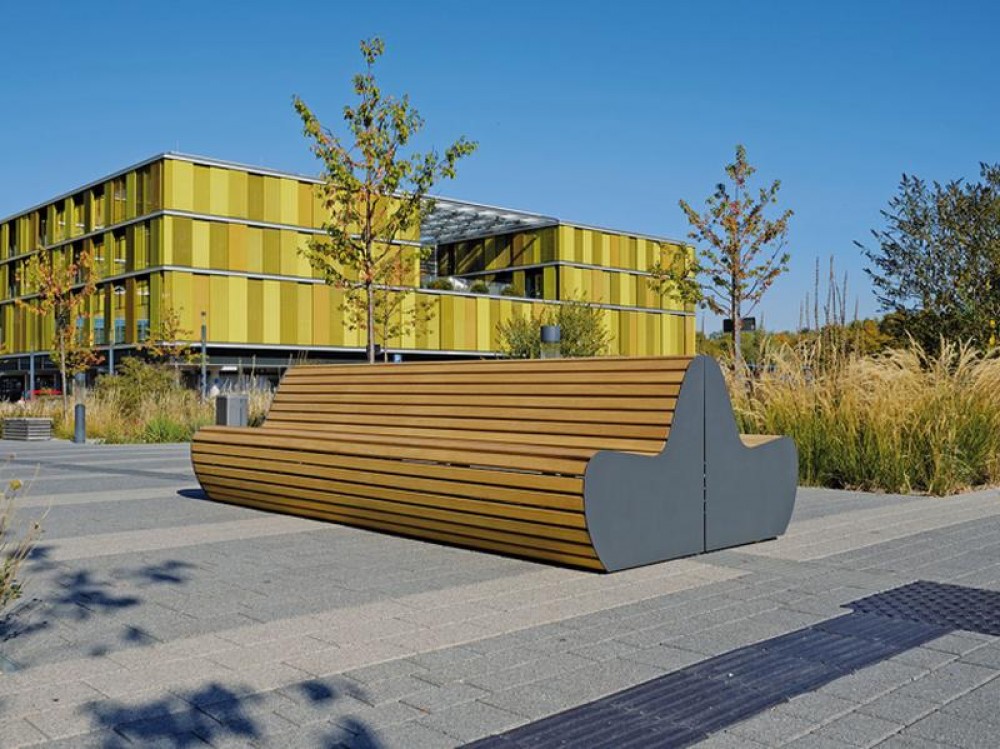
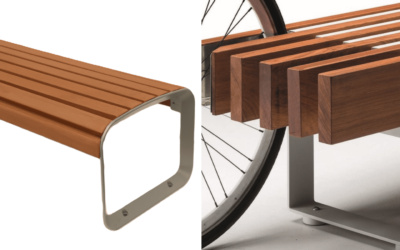
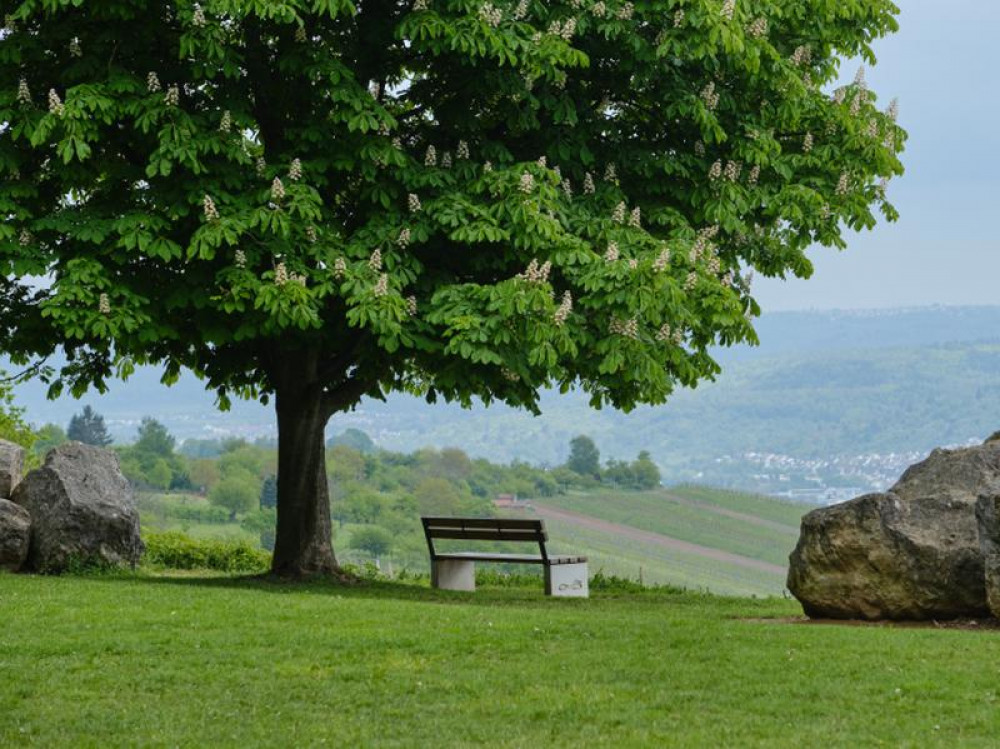
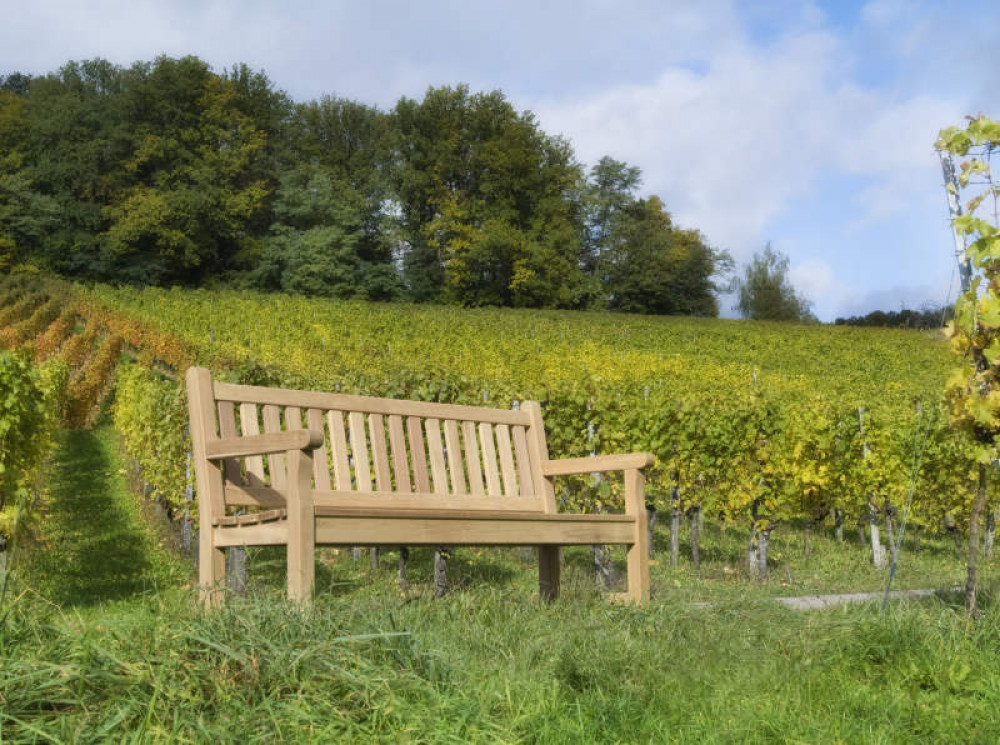
Wood is a natural material that is durable and weather-resistant. It has a classic and timeless quality that can add warmth and character to any outdoor space. However, wooden benches require more maintenance than benches made of synthetic material. Different wood types possess distinct characteristics and strengths, so it’s important to choose the right type of wood for your project.
Metal

Metal benches are sleek and stylish, making them a great choice for modern urban environments. They are also durable and weather-resistant, making them ideal for outdoor spaces. However, metal benches can become very hot in direct sunlight, which can make them uncomfortable to sit on. To mitigate this, metal benches can be coated with zinc and chromium to make them more resistant to weather conditions.
Synthetic (Composite) Material

Synthetic (composite) material, such as recycled plastic or resin, is a great choice for outdoor benches. It is fade-resistant, moisture-resistant, and retains wood-tone colors in all climates and seasons for several years. Benches made of synthetic lumber are super resilient and mimic the look and feel of natural wood. The “synthetic” in “synthetic wood” may put a dent in the whole classic bench dream for some, but if you ask us, our benches come pretty darn close to the real thing! If durability and longevity are the main factors for you—go with synthetic wood!
Wrought Iron
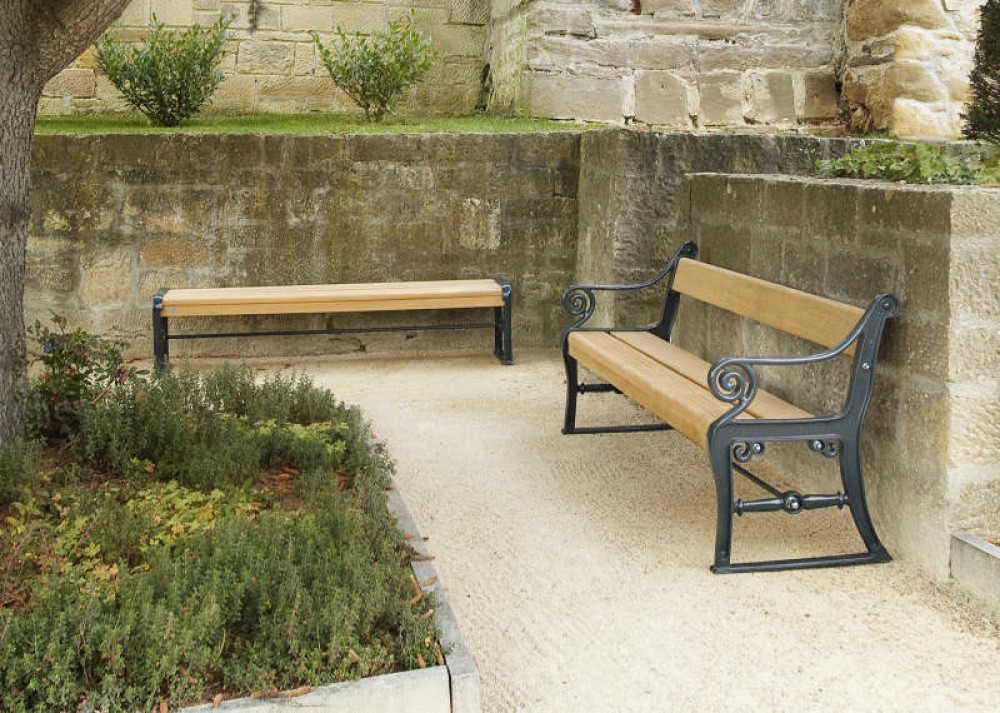
Wrought iron is a great material for outdoor furniture if you desire uniqueness and handcrafted designs. It is incredibly durable, stylish, and can take a good amount of weathering. Most wrought-iron benches are powder-coated with a scratch and chemical-resistant coating. Keep in mind that over time, rust may accumulate on wrought iron furniture when the powder coat of paint wears down (a wire brush will take care of most rust flakes). But all in all, a wrought iron bench is an excellent investment for anyone looking for elegant furniture that will last for many years to come.
Types of Benches
| Type | Features | Ideal Locations |
|---|---|---|
| Traditional Bench | Wooden or metal; classic design. | Parks, squares, and scenic overlooks. |
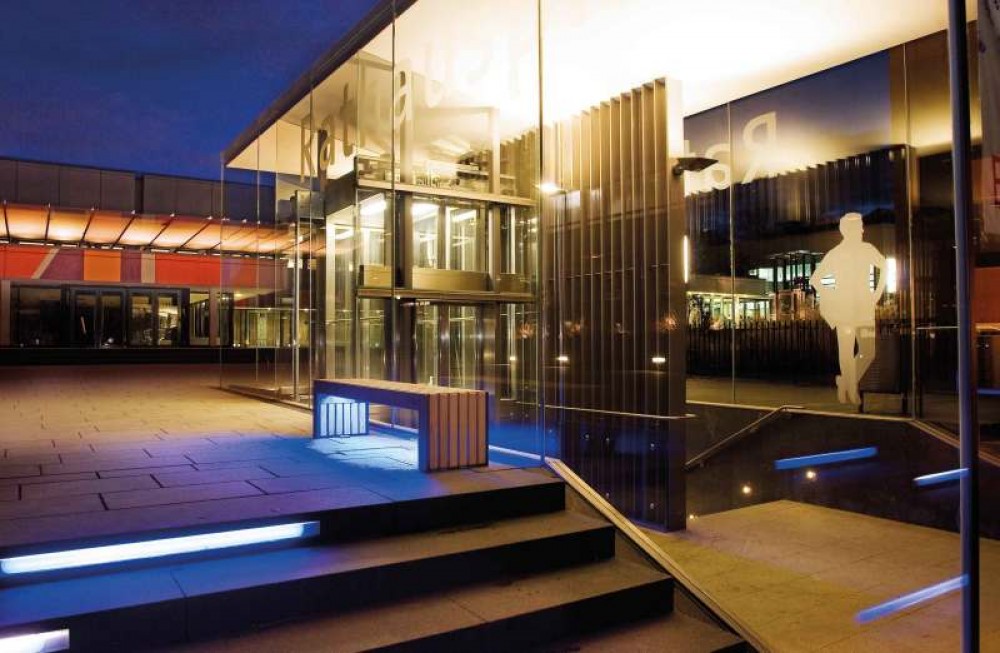
| Modern Bench | Sleek, innovative materials; ergonomic. | Urban plazas and transit stations. |
| Green Bench | Incorporates vegetation; eco-friendly. | Along greenways and nature trails. |
Traditional Bench

Modern Bench
Green Bench
Best Bench Solutions for Outdoor Benches in Dubai and the Middle East
In the context of Dubai and the Middle East, where extreme temperatures and unique environmental conditions prevail, choosing the right materials for benches is crucial to ensure durability, comfort, and aesthetic appeal. Here are some of the best materials for benches in this region:
1. Powder-Coated Metal Benches:
- Advantages:
- Durability: Metal benches, especially those with a powder-coated finish, are resistant to rust and corrosion, making them suitable for the Middle East’s arid climate.
- Low Maintenance: They require minimal upkeep, making them ideal for environments with high temperatures and low humidity.
- Considerations:
- Heat Absorption: Metal benches may become hot in direct sunlight, so selecting lighter colors or providing shade is advisable.
2. Teak Wood Benches:
- Advantages:
- Natural Beauty: Teak wood provides a luxurious and aesthetically pleasing appearance, complementing the modern architecture often found in the Middle East.
- Weather Resistance: Teak is naturally resistant to weathering, insects, and decay.
- Considerations:
- Cost: Teak is a premium wood, so benches made from this material may be more expensive.
- Maintenance: While teak ages gracefully, some maintenance, such as periodic oiling, can enhance its longevity and appearance.
3. Concrete Benches with Heat-Reflective Coating:
- Advantages:
- Sturdiness: Concrete benches are robust and resistant to harsh weather conditions.
- Customization: They can be molded into various shapes and sizes, offering design flexibility.
- Considerations:
- Heat Reflection: Applying a heat-reflective coating can help mitigate the heat absorption commonly associated with concrete in high temperatures.
4. Fiberglass Benches:
- Advantages:
- Lightweight: Fiberglass benches are lighter than concrete and metal, making them easier to move or rearrange.
- Resistance: Fiberglass is resistant to moisture, insects, and UV rays.
- Considerations:
- Cost: While not as expensive as teak, fiberglass benches may still have a higher initial cost compared to some other materials.
5. Stone-Effect Composite Benches:
- Advantages:
- Aesthetics: These benches can mimic the appearance of natural stone while being more lightweight.
- Durability: Composite materials can withstand temperature variations without cracking or fading.
- Considerations:
- Installation: Ensure proper installation to prevent potential issues associated with settling or shifting.
6. Aluminum Benches:
- Advantages:
- Lightweight: Aluminum is lighter than other metals, making benches easy to move if necessary.
- Corrosion Resistance: Aluminum is naturally corrosion-resistant.
- Considerations:
- Strength: While corrosion-resistant, aluminum may not be as robust as steel, so consider the expected usage.
When selecting benches for Dubai and the Middle East, it’s crucial to consider not only the materials but also the design, comfort, and the specific location’s requirements. Additionally, incorporating shaded areas or providing optional accessories like cushions can enhance the overall experience for individuals using the benches in the region’s unique climate.
Part 3: The Advantages of Urban Integration
The benefits of integrating walking and cycling paths into urban environments extend beyond individual well-being. Urban planners and city officials should consider the numerous advantages for the community as a whole.
Advantages of Urban Integration
1. Traffic Reduction
Integrated pathways encourage alternative modes of transportation, reducing traffic congestion. By providing viable alternatives to traditional commuting, cities can alleviate the strain on road infrastructure and decrease the environmental impact of vehicular traffic.
2. Economic Boost
Pedestrian-friendly zones often see increased foot traffic, benefiting local businesses. The accessibility provided by well-designed walking and cycling paths attracts people to local shops, cafes, and markets, creating a positive economic ripple effect.
3. Cultural and Recreational Enrichment
Urban integration enhances cultural and recreational opportunities. By connecting various cultural and recreational hubs, cities create a more vibrant and accessible cultural scene. This, in turn, fosters a sense of community identity and pride.
4. Environmental Sustainability
Reduced reliance on automobiles contributes to a greener urban landscape. As more people opt for walking or cycling, cities experience a decrease in air pollution and a lower carbon footprint, aligning with global sustainability goals.
Benefits of Urban Integration
| Benefit | Description |
|---|---|
| Enhanced Public Health | Reduced pollution and increased physical activity. |
| Social and Community Benefits | Improved community interaction and a sense of belonging. |
| Economic Growth | Increased foot traffic and support for local businesses. |
| Cultural and Recreational Enrichment | A more vibrant cultural scene and increased recreational opportunities. |
| Environmental Sustainability | Reduced reliance on automobiles for a greener urban landscape. |
Visualizing Urban Integration

Implementing Effective Urban Integration Strategies
Implementing effective urban integration strategies requires careful planning and consideration of the needs of different users. Urban planners and city officials should consider the following factors:
1. Accessibility
Urban integration should be designed to accommodate people of all ages and abilities. This includes providing pathways that are easy to navigate and benches that are easy to get on and off of.
2. Comfort
Urban integration should be designed to be comfortable to use for extended periods of time. This includes providing benches with backrests and armrests, as well as benches that are made of materials that are not too hot or too cold to sit on.
3. Aesthetics
Urban integration should be designed to be visually appealing and to complement the surrounding environment. This includes choosing materials and colors that are appropriate for the location, as well as incorporating design elements that are unique and interesting.
Part 4: Case Studies
1. Copenhagen, Denmark
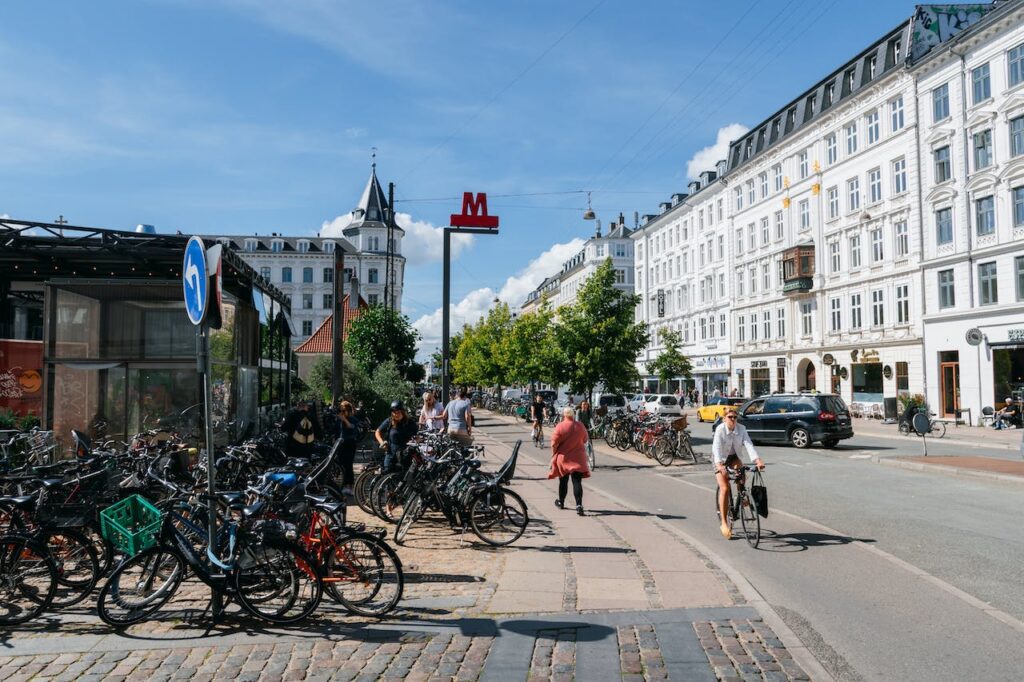
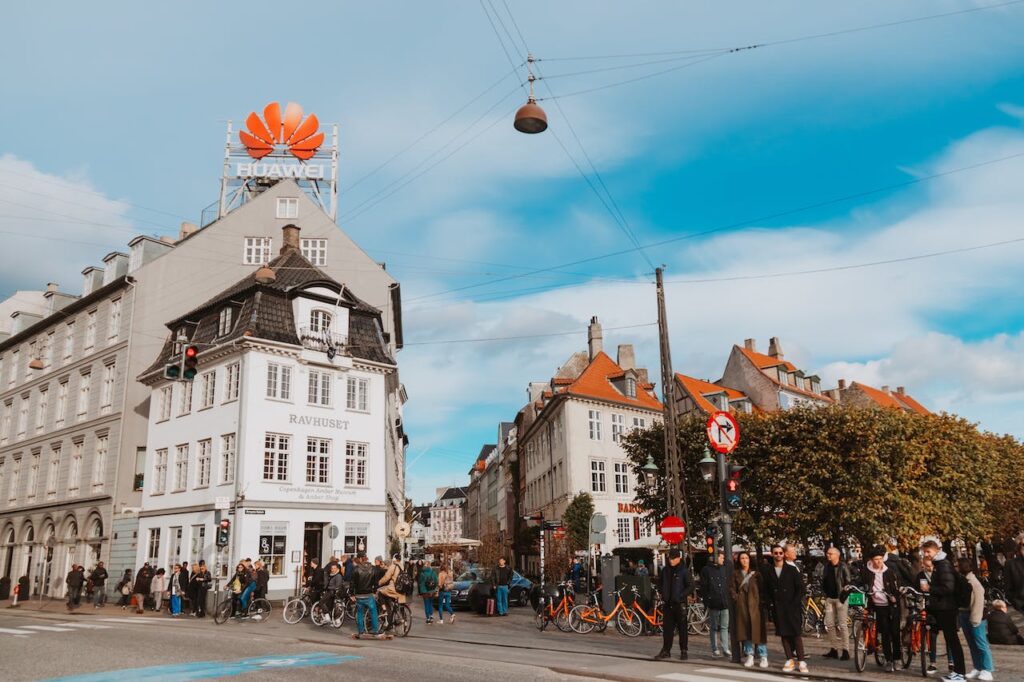
Copenhagen, often hailed as a cycling-friendly city, provides an excellent case study in urban integration. The city has invested in a comprehensive network of cycling paths, complete with well-placed benches. The result is a city where cycling is not just a mode of transport but a way of life, contributing to the overall livability of the urban environment.
2. Portland, Oregon, USA
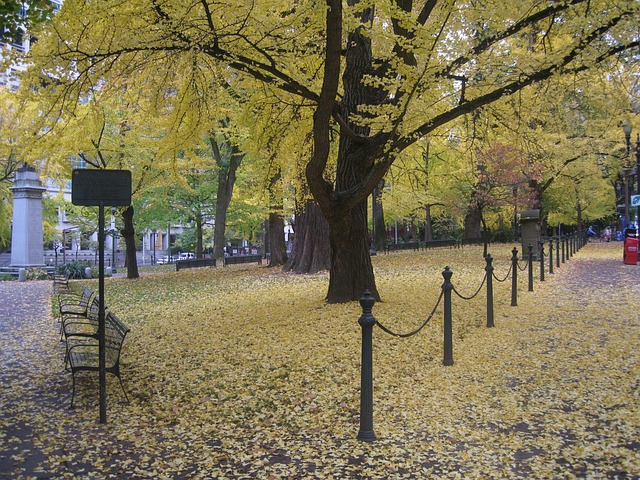
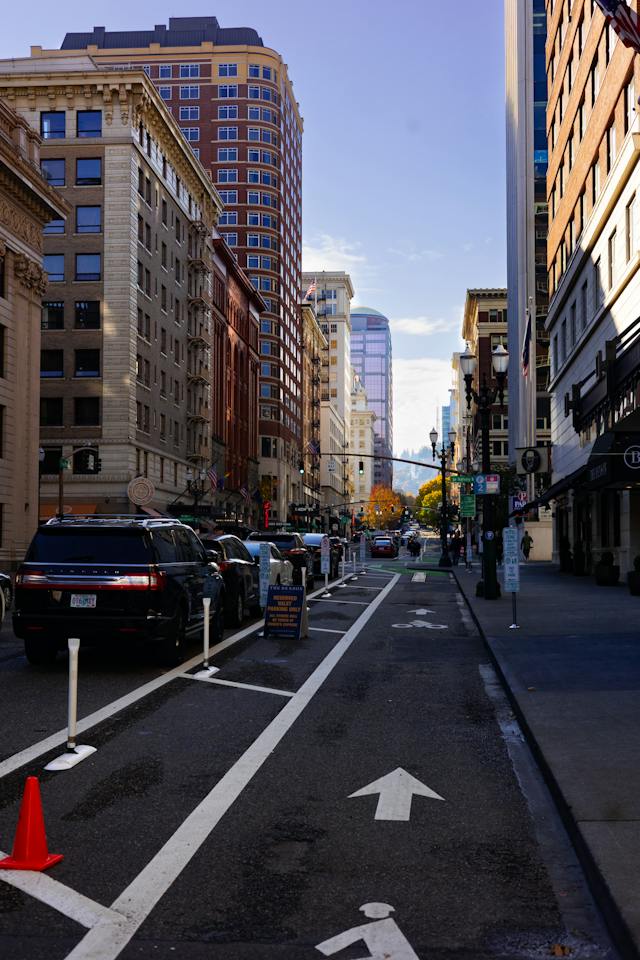
Portland‘s commitment to sustainable urban planning includes a vast network of pedestrian-friendly zones and cycling paths. Benches, strategically placed in parks and along bustling streets, serve as gathering points for the community. This approach has not only improved public health but has also contributed to the city’s reputation as a hub for outdoor enthusiasts.
3. Other Examples
New York City has implemented a program called “CityBench” that aims to install 1,000 benches across the city each year . In Canada, Vancouver has a program called “Parklets” that transforms parking spaces into public spaces with benches and other amenities.
Conclusion
In conclusion, the integration of walking and cycling paths, coupled with strategically placed benches, is integral to creating vibrant and sustainable urban environments. The benefits extend from individual well-being to economic growth, making it a cornerstone of modern urban planning. As we envision cities of the future, let’s prioritize the seamless integration of these pathways and the thoughtful placement of benches, creating spaces that truly cater to the needs of the community. Urban integration is not just a planning strategy; it’s a commitment to building cities that prioritize the well-being of their inhabitants and the sustainability of the environment.
If you’re interested in learning more about our range of benches, please don’t hesitate to contact us. Our team of experts is always ready to help you bring your vision to life.